Sermorelin vs CJC-1295: why does one leave sooner?
Both drugs prompt the growth gland. Sermorelin leaves your blood fast, while the other drug was changed to remain longer.
What is the main difference between these drugs?
Both drugs can prompt the growth gland. The main difference is time in the blood. Sermorelin is gone after about 10-12 minutes [3]. Your gland may keep working after Sermorelin has gone.
CJC-1295 joins to a protein that blood carries [10]. That bond keeps the drug in your body longer. It doesn't prove that CJC-1295 works better or is safer for you.
Picture a short phone call beside one that stays connected. The call length differs, but that alone doesn't name a winner. Separate studies describe the two drugs. They can't choose either one for your care.
How quickly does Sermorelin leave the blood?
This study was small and short. It put Sermorelin into a vein in 30 healthy men. An amount as low as 0.25 micrograms per kilogram of a man's weight increased growth hormone [3]. The blood test shows what happened there, not what amount fits you.
The biggest response came at 1-2 micrograms per kilogram of a man's weight. Sermorelin left the blood after about 10-12 minutes. Even so, growth hormone stayed higher than the first reading for roughly 3 hours [3]. The drug can be gone while your gland still works.
A nose spray got only 3-5% of the drug into the body [3]. Later studies mainly gave skin shots. People doing research question pills and drops, but a controlled trial hasn't tested those reports here. You can't use those accounts as dose advice.
The quick exit from blood is the firm point. Your gland can keep working longer. No feeling can be predicted from this test.
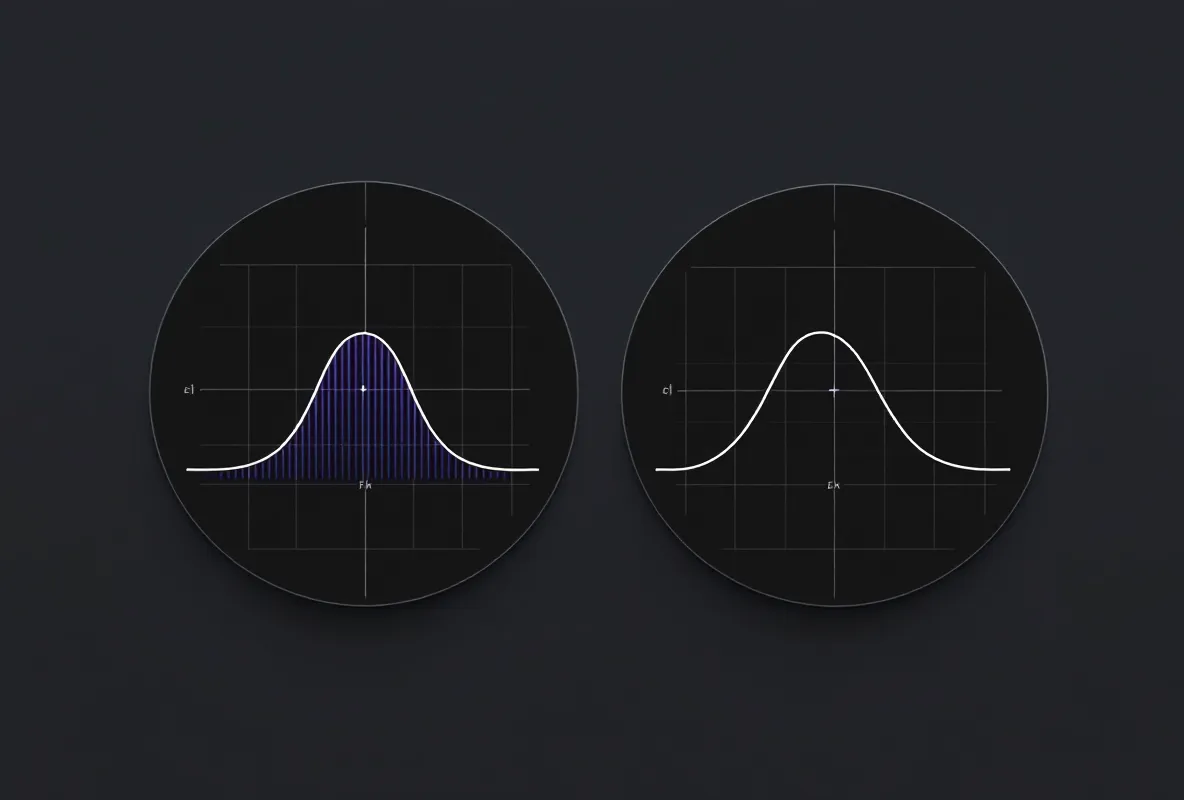
How was CJC-1295 changed to stay longer?
Scientists wanted a drug that stayed longer because Sermorelin leaves fast [3]. They changed parts that the body quickly breaks apart [10]. Those changes gave CJC-1295 more time in the blood. Longer time doesn't prove better care.
Blood carries a protein called albumin. The changed drug joins to that protein [10]. Albumin carries CJC-1295 and slows the body's removal of CJC-1295.
The design changes the clock, not proven strength. Sermorelin gives the gland a brief prompt. The changed drug keeps prompting the same place on gland cells for longer [11]. No study here proves equal benefit or equal harm.
Separate studies show how each drug moves through the body [3][10]. They don't prove which drug is better for your care. This page can't give you a personal amount or schedule.
What can separate studies tell you about both drugs?
Start with Sermorelin's short stay. It leaves blood in about 10-12 minutes. One dose can keep growth hormone higher than the first reading for about 3 hours [3]. The blood clock and the gland's clock aren't the same.
The changed drug stays active much longer [10][11]. Both drugs use one matching part of gland cells. No trial here put them against each other. The separate studies don't prove equal results or equal risk for you.
The human research page shows you how the gland responded. You can also review amounts used in studies. Long-term benefit and safety in adults remain unclear [3].